AGV and ULTRASONIC SENSOR
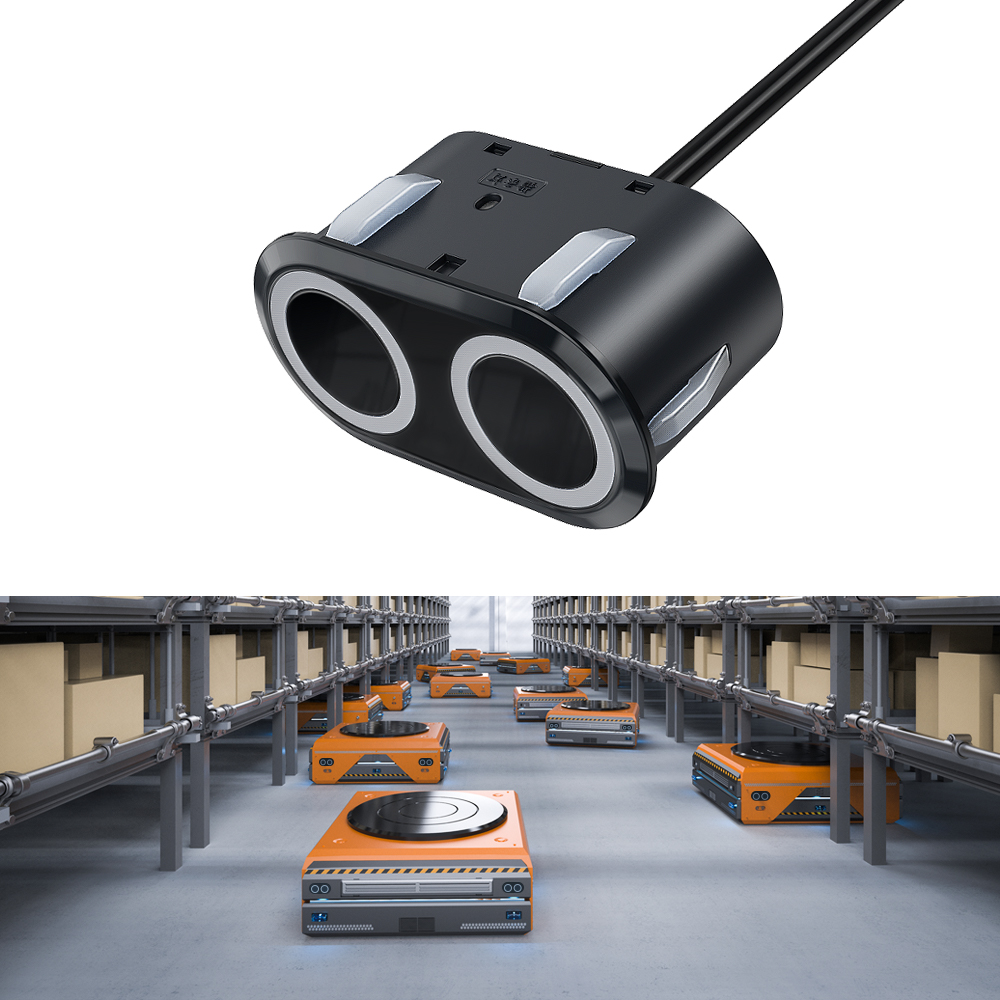
Abstract: With the rapid development of industrial automation and intelligent logistics, the efficiency and safety of material handling have become the key for enterprises to enhance core competitiveness. Automated Guided Vehicles (AGV), also known as autonomous guided vehicles, are unmanned and self-driving material handling systems. They are gradually replacing traditional manual handling and becoming the core carrier of material circulation in workshops, warehouses and other scenarios, reshaping the efficiency boundaries of production and logistics through automation technology.
1. Introduction of AGV
The core value of AGV robots lies in greatly improving the efficiency of material flow by automating repetitive tasks, while reducing errors and risks caused by human intervention. There is a wide variety of autonomous guided vehicles to flexibly adapt to the needs of different scenarios. Forklift-type AGV systems are suitable for cargo stacking and high-level handling; tractor and towed AGV support multi-vehicle linkage to pull multiple material trolleys for synchronous operation; unit load AGV focus on the precise transportation of single material units; and automatic carriers are more suitable for large-scale and long-distance material conveyance, fully covering diverse material handling requirements.

2. Components of AGV
3. Ultrasonic Sensor in AGV
4. Module DYP-A21 for AGV Obstacle Avoidance

DYP New Product DYP-SG01 Solves Municipal Garbage Overflow Management Challenges
The Role of Three Kinds of Water Tanks for RV