Ultrasonic Sensor Helps Intelligent Robots Avoid Obstacles
1. Introduction
2. Sensor Display
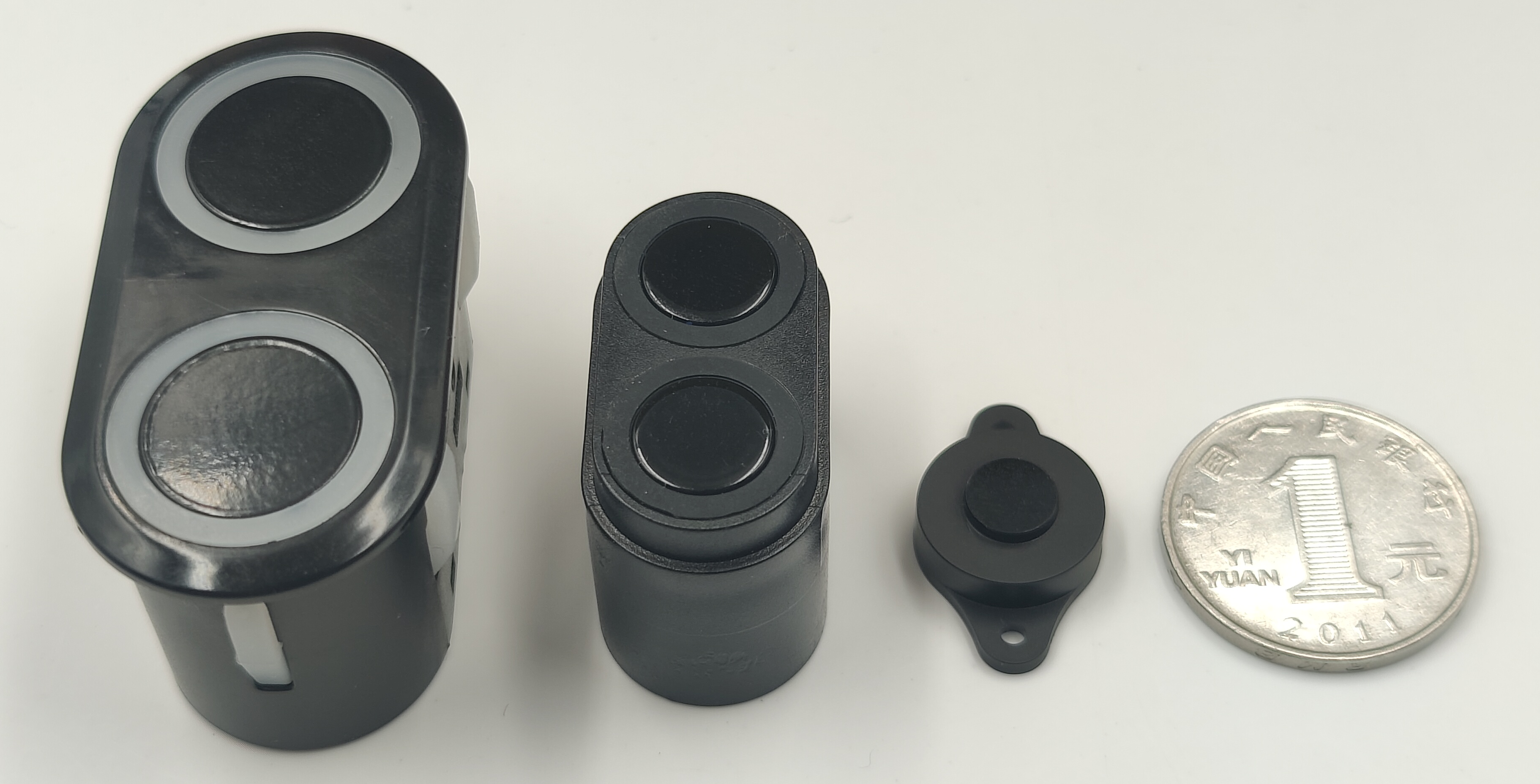
Function Abstract:
•Wide voltage supply ,working voltage3.3~24V;
•Blind area can up to 2.5cm minimum;
•The farthest range can be set, a total 5-level range of 50cm to 500cm can be set through instructions;
•A variety of output modes are available,UART auto / controlled, PWM controlled, switch volume TTL level(3.3V), RS485,IIC,etc.
(UART controlled and PWM controlled power consumption can support ultra-low sleep power consumption≤5uA);
•The default baud rate is 115,200, Supports modification;
• Ms-level response time, data output time can up to 13ms fastest;
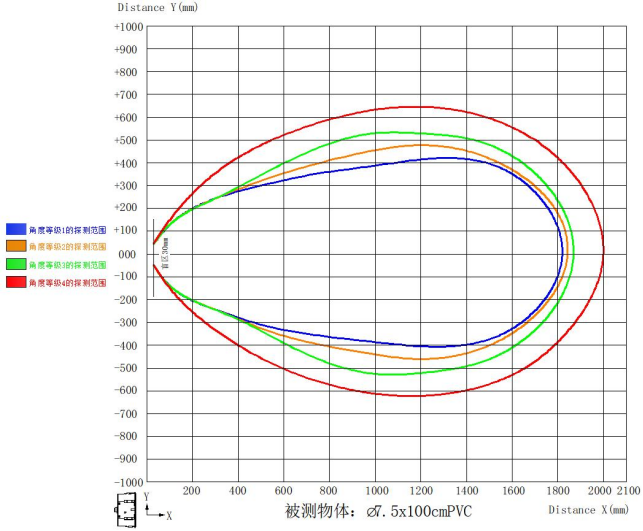
•Single and double angle can be selected, a total of four angle levels are supported for different application scenarios;
•Built-in noise reduction function which can support the 5-grade noise reduction level setting;
•Intelligent acoustic wave processing technology, built-in intelligent algorithm to filters interference sound waves, can identify the interference sound waves and automatically perform filtering;
•Waterproof structure design, waterproof grade IP67;
•Strong installation adaptability, installation method is simple, stable and reliable;
•Support remote firmware upgrade;
3. Product Parameters
(1) Basic Parameter
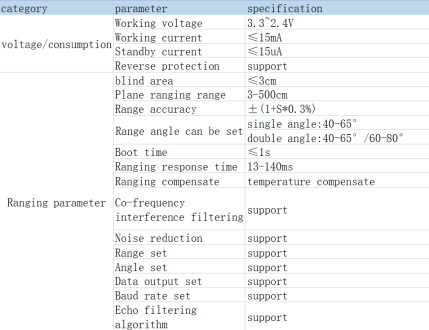
(2) Range
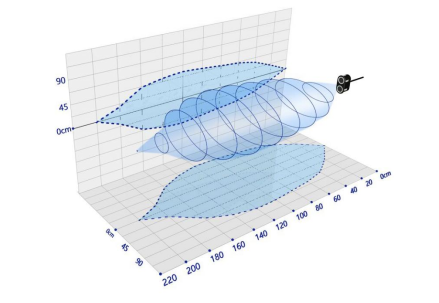
4. Ultrasonic Obstacle Avoidance Sensor Technical Scheme
(1) Diagram of the Hardware Structure
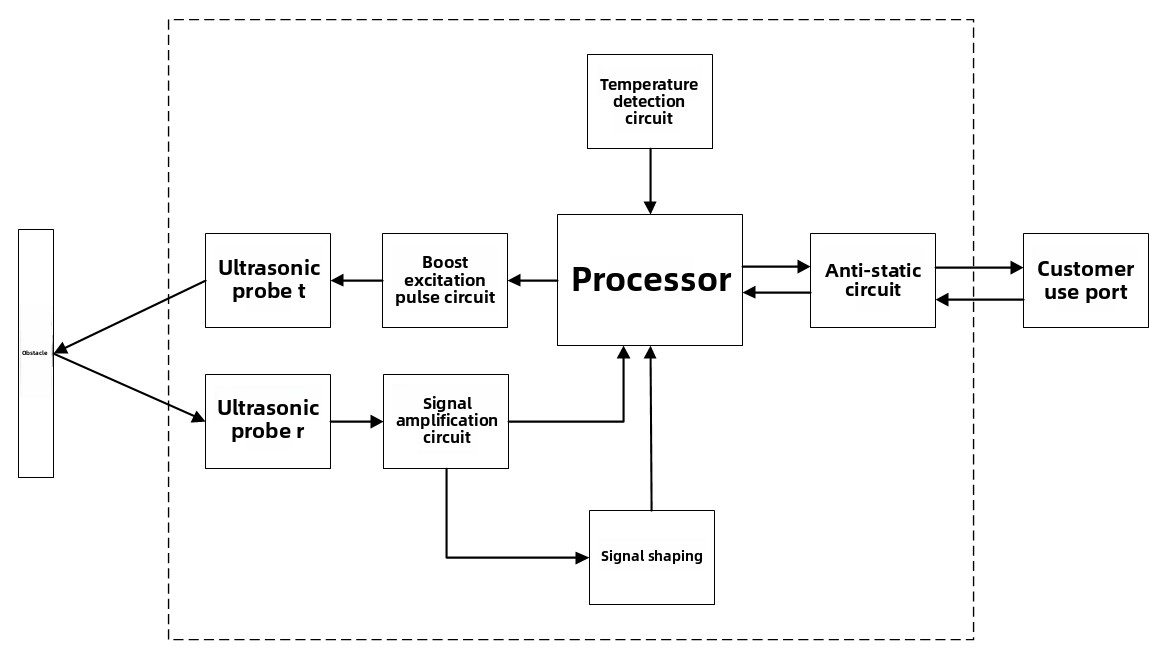
(2) Workflow
-
The sensor is powered by the electrical circuits.
-
The processor starts self-inspection to ensure that each circuit works normally.
-
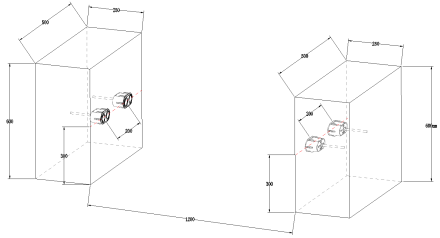
The processor self-check to identify whether there is an ultrasonic same-frequency interference signal in the environment, and then filter and process the alien sound waves in time. When the correct distance value cannot be given to the user, give the abnormal sign data to prevent errors, and then jump to the process k.
-
The processor sends instructions to the boost excitation pulse circuit to control the excitation intensity according to angle and range.
-
The ultrasonic probe T transmits acoustic signals after working
-
The ultrasonic probe R receives acoustic signals after working
-
The weak acoustic signal is amplified by the signal amplifier circuit and returned to the processor.
-
The amplified signal is returned to the processor after shaping, and the built-in intelligent algorithm filters the interference sound wave technology, which can effectively screen out the true target.
-
Temperature detection circuit, detect the external environment temperature feedback to the processor
-
The processor identifies the return time of the echo and compensates the temperature combined with the external ambient environment, calculates the distance value (S = V *t/2).
-
The processor transmits the calculated data signal to the client through the connection line and returns to a.
(3) Interference Process
(4) Beam Angle Adjustable
5. Ultrasonic Obstacle Avoidance Sensor Technical Scheme
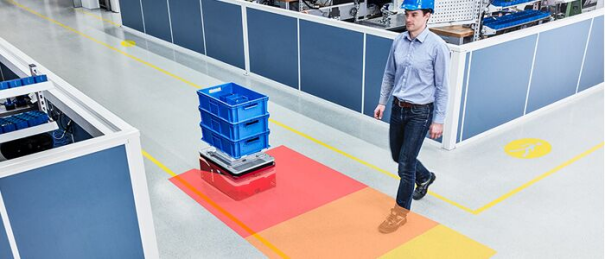
6. Highlights of the Application of Ultrasonic Sensor in Robot Obstacle Avoidance Scheme
Non-contact Ultrasonic Level Sensor
Ultrasonic Underwater Distance and Obstacle Avoidance Sensor for Pool Cleaning Robot